Ingredients
- 1 can chickpeas, rinsed and drained / 1 ½ cups cooked chickpeas
- ½ teaspoon baking soda (if you’re using canned chickpeas)
- ¼ cup lemon juice (from 1 ½ to 2 lemons), more to taste
- 1 medium-to-large clove garlic, roughly chopped
- ½ teaspoon fine sea salt, to taste
- ½ cup tahini
- 2 to 4 tablespoons ice water, more as needed
- ½ teaspoon ground cumin
- 1 tablespoon Wilson’s Extra Virgin Olive Oil
- Any of the following garnishes: drizzle of olive oil, sprinkle of paprika, chopped fresh parsley
Instructions
Place the chickpeas in a medium saucepan and add the baking soda. Cover the chickpeas by several inches of water, then bring the mixture to a boil. Continue boiling, reducing heat if necessary to prevent overflow, for about 20 minutes, or until the chickpeas look bloated, their skins are falling off, and they’re quite soft.
In a fine-mesh strainer, drain the chickpeas and run cool water over them for about 30 seconds. Set aside (no need to peel the chickpeas for this recipe!).
Meanwhile, in a food processor or high-powered blender, combine the lemon juice, garlic and salt. Process until the garlic is very finely chopped, then let the mixture rest so the garlic flavour can mellow, ideally 10 minutes or longer.
Add the tahini to the food processor and blend until the mixture is thick and creamy, stopping to scrape down any tahini stuck to the sides and bottom of the processor as necessary.
While running the food processor, drizzle in 2 tablespoons ice water. Scrape down the food processor, and blend until the mixture is ultra smooth, pale and creamy. (If your tahini was extra-thick to begin with, you might need to add 1 to 2 tablespoons more ice water.)
Add the cumin and the drained, over-cooked chickpeas to the food processor. While blending, drizzle in your Wilson’s Extra Virgin Olive Oil. Blend until the mixture is super smooth, scraping down the sides of the processor as necessary, about 2 minutes. Add more ice water by the tablespoon if necessary to achieve a super creamy texture. Make sure to taste your hummus now so that you can add in more salt or lemon juice according to your tastes.
Scrape the hummus into a serving bowl or platter, and use a spoon to create nice swooshes on top. Top with garnishes of your choice, and serve.
Note: Leftover hummus keeps well in the refrigerator, covered, for up to 1 week.

The Definition of “Cold Pressed”
In the old days, olives would be “pressed” between stone wheels. This is where the term “Cold Pressed” comes from. Majority of oils are now

Types of Olive Oil Explained – How to Choose the Right One for Cooking and More
Confused about the different types of olive oil? Learn the difference between extra virgin, olive oil blends, and other high-heat oils like avocado or peanut oil. Find your perfect match with Wilson’s.

Olive Oil Tied to Lower Risk of Dementia
Olive oil, a staple of the Mediterranean diet, continues to earn its reputation as one of the healthiest oils available. Not only is it rich

Passover Recipe Ideas with Olive Oil – Tips & Inspiration for a Meaningful Seder Table
Olive oil is more than just a pantry staple—it’s a meaningful addition to your Passover table. From traditional charoset to modern matzo dips, explore creative ways to use olive oil in your Passover recipes this year.
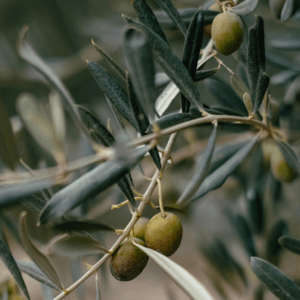
Grades of Olive Oil
There are 4 Main Grades of Olive Oil, these are: Extra Virgin Olive Oil (EV or EVOO), Virgin Olive Oil, Refined Olive Oils and Olive
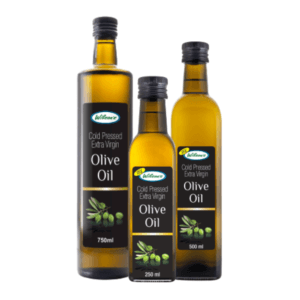
The Benefits of Olive Oil: Why It’s a Must-Have in Your Kitchen
From heart health to skin care, olive oil offers a wide range of benefits. Find out why this oil should be a staple in your kitchen and how to incorporate it into your meals.
