


Qualifying Your Oil
Qualifying Your Olive Oil We’ve spoken already about not treating Olive Oil like Wine in terms of “saving it for that special day”. Olive Oil
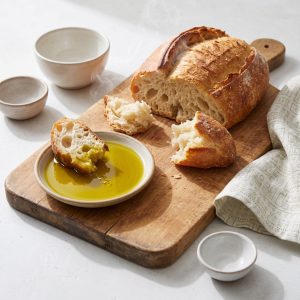
Why Bread and Olive Oil Belong Together
Why bread and olive oil belong together, from dough to dipping dish, plus how to mark World Food Day and World Bread Day with Wilson’s Extra Virgin Olive Oil.

Types of Olive Oil Explained
Confused about the different types of olive oil? Learn the difference between extra virgin, olive oil blends, and other high-heat oils like avocado or peanut oil. Find your perfect match with Wilson’s.

Butter to Olive Oil Conversion Chart
Make a heart-healthy substitution for your family. Substitute olive oil for butter in many recipes, including baking. Use the below chart to convert your recipes
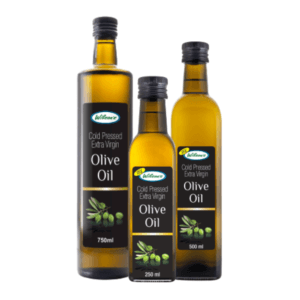
The Benefits of Olive Oil: Why It’s a Must-Have in Your Kitchen
From heart health to skin care, olive oil offers a wide range of benefits. Find out why this oil should be a staple in your kitchen and how to incorporate it into your meals.

Flavoured Oils: The new Culinary Trend
Flavoured Oils: The New Culinary Trend Flavoured oils have quickly become a favorite among home cooks and professional chefs alike. These infused oils bring bold,